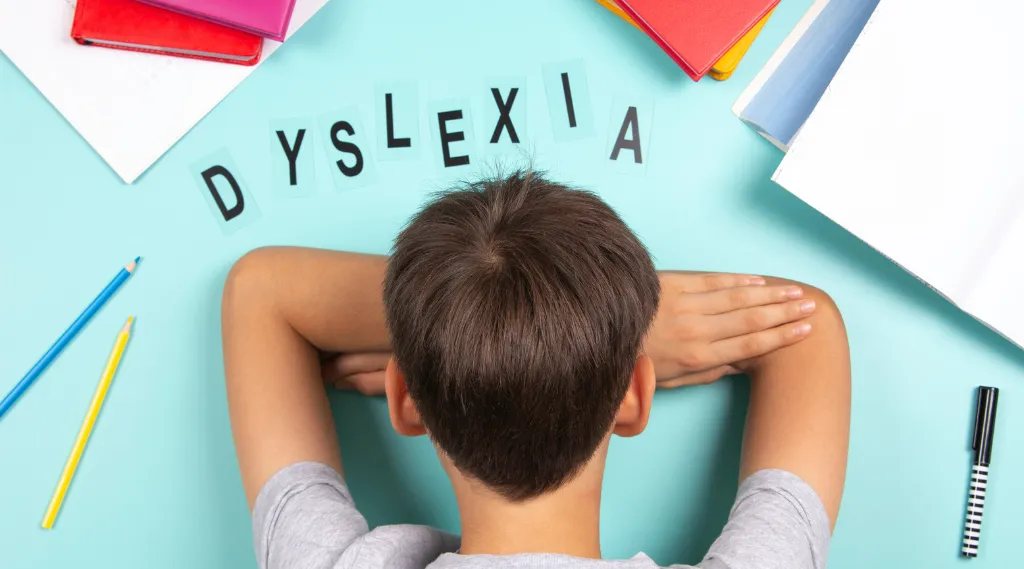
Dyslexia vs. Visual Processing Disorder: Understanding the Similarities and Differences

Dyslexia vs. Visual Processing Disorder: Understanding the Similarities and Differences

Lori Wilkinson M.Ed., NCED
Published on: 16/04/2026

When a child struggles with reading, it’s not always easy to identify the cause. Dyslexia and visual processing disorder can appear similar but stem from very different challenges. In this post, learn the key similarities, important differences, and why accurate identification matters for effective support and accommodations. Discover how the right evaluation can help students succeed with confidence.

Blog Articles

When Anxiety Looks Like a Learning Problem: When to Consider an Evaluation for Accommodations

When Anxiety Looks Like a Learning Problem: When to Consider an Evaluation for Accommodations

Cristina Newell M.Ed., NCED
Published on: 16/04/2026

A student struggles in school. They avoid tasks, forget material, or shut down during tests. On the surface, it looks like a learning issue.

Blog Articles
Executive Functioning: The Hidden Key to Academic Success

Executive Functioning: The Hidden Key to Academic Success

Cristina Newell M.Ed., NCED
Published on: 04/03/2026

Executive functioning is one of the most important and least understood factors in academic success. As an educational diagnostician, I often meet students who are bright, capable, and motivated, yet continue to struggle in school. In many cases, the underlying issue is not a lack of ability, but weaknesses in executive functioning.

Blog Articles
Dyslexia and Visual Processing Disorder: Similar but Not the Same

Dyslexia and Visual Processing Disorder: Similar but Not the Same

Lori Wilkinson M.Ed., NCED
Published on: 04/03/2026

Dyslexia and Visual Processing Disorder (VPD) are often confused because both can make reading and learning feel much harder than expected. While they can look similar on the surface, they stem from different underlying challenges and require different types of support.

Blog Articles
Helpful Tips for Supporting Students With Dysgraphia in Junior High and High School

Helpful Tips for Supporting Students With Dysgraphia in Junior High and High School

Keeli Gilbert, M.Ed., NCED
Published on: 04/03/2026

As students move into junior high and high school, writing demands increase quickly. Longer essays, note-taking, timed tests, and written responses across multiple subjects can make school especially challenging for students with dysgraphia. While dysgraphia doesn’t affect intelligence or creativity, it can make written expression slow, tiring, and frustrating. The good news? The right strategies can make a big difference.

Blog Articles
Understanding the Difference Between “Can’t” and “Won’t”: When Motivation Isn’t  the Problem

Understanding the Difference Between “Can’t” and “Won’t”: When Motivation Isn’t the Problem

Lori Wilkinson M.Ed., NCED
Published on: 04/03/2026

One of the most common and painful misunderstandings in education is the assumption that a struggling student simply isn’t trying hard enough. We hear phrases like, “She’s capable but unmotivated,” “He just needs to apply himself,” or “She could do it if she wanted to.”

Blog Articles